Understanding the psychology behind gambling behavior in casinos
The Allure of Casinos
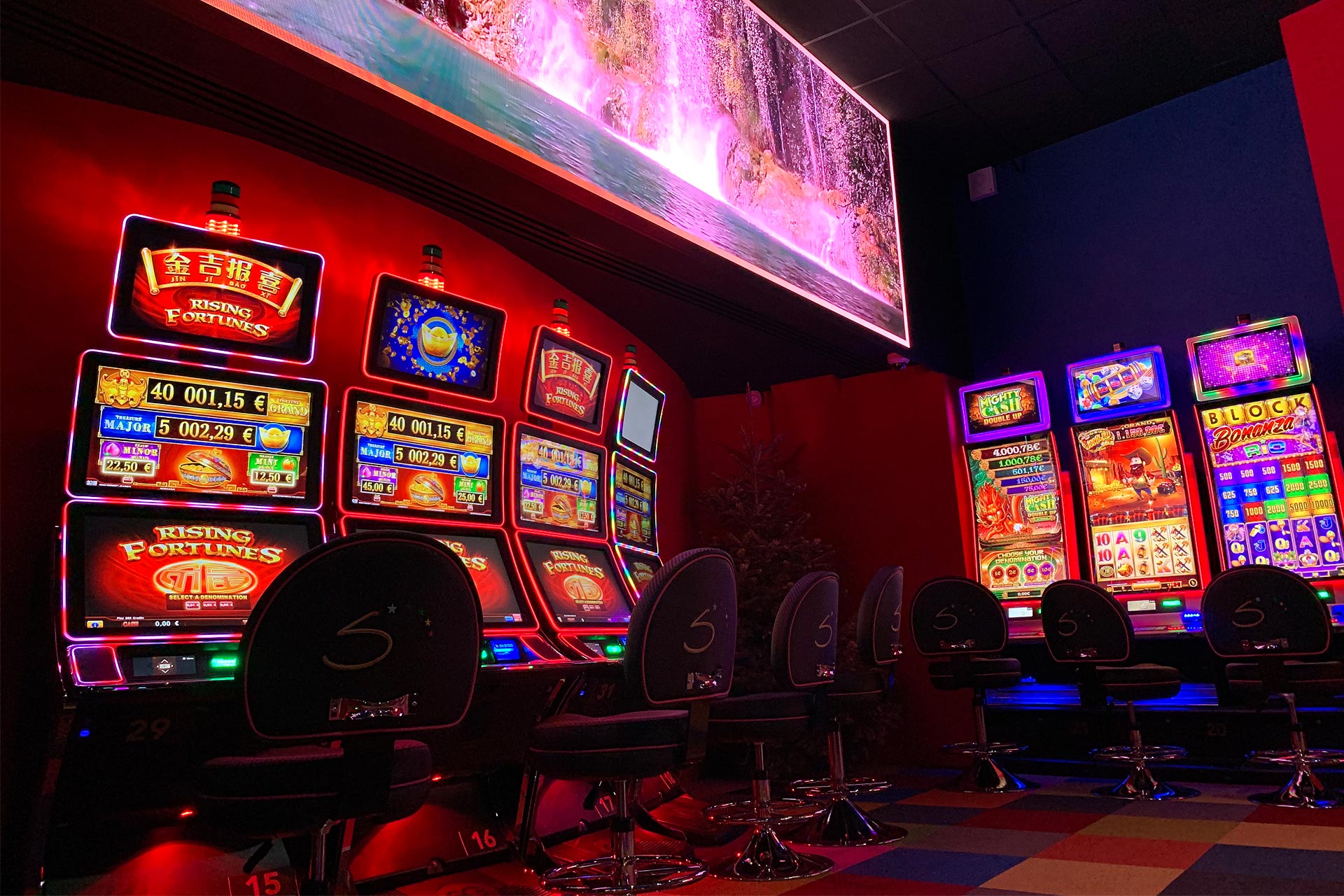
Casinos have long been designed to captivate and entice players, creating an environment that stimulates excitement and anticipation. The combination of vibrant lights, captivating sounds, and the thrill of potential winnings plays a significant role in attracting individuals. For those interested in diving deeper into this exciting world, https://wizbet-australia.com/ offers a robust gaming experience tailored for Australian players. This immersive atmosphere triggers emotional responses that can lead to impulsive behaviors, as the brain releases dopamine—the neurotransmitter associated with pleasure. Understanding this allure is crucial for recognizing how it affects gambling behavior.

People often underestimate the psychological impact of a casino’s design. The layout is meticulously crafted to encourage continuous play. Players may find themselves lingering at slot machines or table games, often unaware of the time passing. This design strategy is not merely accidental; it is a deliberate effort to create a sense of urgency and excitement, compelling players to spend more time and money than they initially intended.
Moreover, the excitement can lead to a phenomenon known as the “Gambler’s Fallacy,” where individuals believe that past events influence future outcomes. For instance, a player may feel that a slot machine is “due” for a win because it hasn’t paid out recently, leading to increased betting. This cognitive bias reinforces their gambling behavior, often leading to significant losses, as they chase the elusive prospect of winning.
The Role of Emotion in Gambling
Emotion plays a crucial role in gambling behavior, influencing decision-making and risk assessment. Many players associate gambling with positive emotions, such as joy and excitement, which can overshadow any negative consequences. This emotional attachment often leads individuals to chase losses, trying to recoup what they have lost rather than recognizing when to stop. The blend of high stakes and emotional investment can create a cycle of behavior that is hard to break.
Furthermore, the temporary highs associated with winning can lead to a “high-risk, high-reward” mindset. When players win, their brains release a surge of dopamine, reinforcing the desire to continue gambling. This euphoria can lead to poor decision-making, as individuals may disregard their budgets and financial limits. Understanding the emotional undercurrents can help explain why people continue to gamble, even when it is not in their best interest.
On the flip side, the emotional lows of losing can be just as powerful. Many gamblers experience feelings of guilt, shame, and anxiety, which can lead to further gambling as a coping mechanism. This cycle of emotional highs and lows makes it difficult for individuals to recognize when they are engaging in harmful gambling practices. Awareness of these emotional factors is essential for fostering healthier gambling habits.
The psychological dynamics of risk and reward significantly influence gambling behavior in casinos. Players are often drawn to the potential for substantial rewards, creating a magnetic pull to high-stakes games. This allure is not only about financial gain; it is also about the thrill of taking risks and the excitement associated with high-pressure situations. Gamblers may perceive their chances as better than they are, leading to increased participation.
The concept of “near misses” is another psychological factor at play. When players experience near misses—such as spinning a slot machine that almost aligns for a jackpot—they often feel a sense of hope and are motivated to continue playing. This phenomenon can create a false sense of confidence, encouraging gamblers to believe that their next play will yield a win. Such psychological tricks can lead to prolonged sessions and increased spending.
Understanding the risk-reward dynamic also highlights the importance of individual psychology. Some players are more risk-averse, while others thrive on taking chances. This variation can affect how people approach gambling and their willingness to engage in certain games. By recognizing these psychological differences, casinos can tailor their marketing strategies and gaming options to appeal to a broader audience, increasing player engagement.
Social influences play a significant role in shaping gambling behavior, particularly in a casino setting. The presence of friends or fellow players can create a sense of camaraderie and encourage individuals to engage in gambling activities. This social interaction can amplify the thrill of the game, leading to increased participation and spending. The communal aspect of gambling often makes it more appealing, as players share in the excitement of potential wins.
Peer pressure can also significantly impact gambling decisions. When individuals are in groups, they may feel compelled to gamble more than they typically would, in order to fit in or keep up with others. This can lead to behaviors that are not aligned with their usual gambling habits, often resulting in financial consequences. The desire to socialize can thus overshadow personal limits and budget considerations.
The role of social media cannot be overlooked either. In today’s digital age, online communities and social networks often glamorize gambling, creating an environment where individuals feel encouraged to join in. The visibility of friends winning big can trigger envy and a desire to gamble more, further complicating the relationship with gambling. Understanding these social dynamics is essential for both players and casinos in fostering responsible gaming environments.
Responsible Gambling and Awareness
As the psychology behind gambling behavior becomes increasingly understood, the importance of responsible gambling practices cannot be overstated. Awareness is key in helping individuals recognize their own behaviors and set limits on their gambling activities. By understanding the psychological triggers that lead to compulsive gambling, individuals can better manage their risk and avoid falling into harmful patterns.
Many casinos are beginning to implement programs designed to promote responsible gambling. These programs may include self-exclusion options, educational resources, and tools for setting gambling limits. By fostering an environment of awareness and responsibility, casinos can help mitigate the negative psychological effects associated with gambling, allowing for a healthier gaming experience.
In conclusion, the interplay of psychology, emotion, and social factors significantly influences gambling behavior in casinos. Understanding these dynamics is crucial for both players and industry stakeholders. By prioritizing responsible gambling and enhancing awareness, individuals can engage with casinos in a more balanced and informed manner, leading to a more enjoyable and sustainable gaming experience.
“`